What the Stages and Process of Rebranding Look Like Through Successful City Branding Case Studies
#Rebranding#City
Branding a city is a process quite different from branding a typical product or service. It requires considering a much broader range of dimensions, including tangible assets like the environment, resources, and historic buildings, as well as many complex, layered intangible values—culture, economy, and people. Together, these elements determine a city's essence and its one-of-a-kind character.
For a brand to build its own story and personality, it has to be shaped through strategy, design, audience, and market—this is exactly the work of brand storytelling that we at Yushi Design Studio do every day.
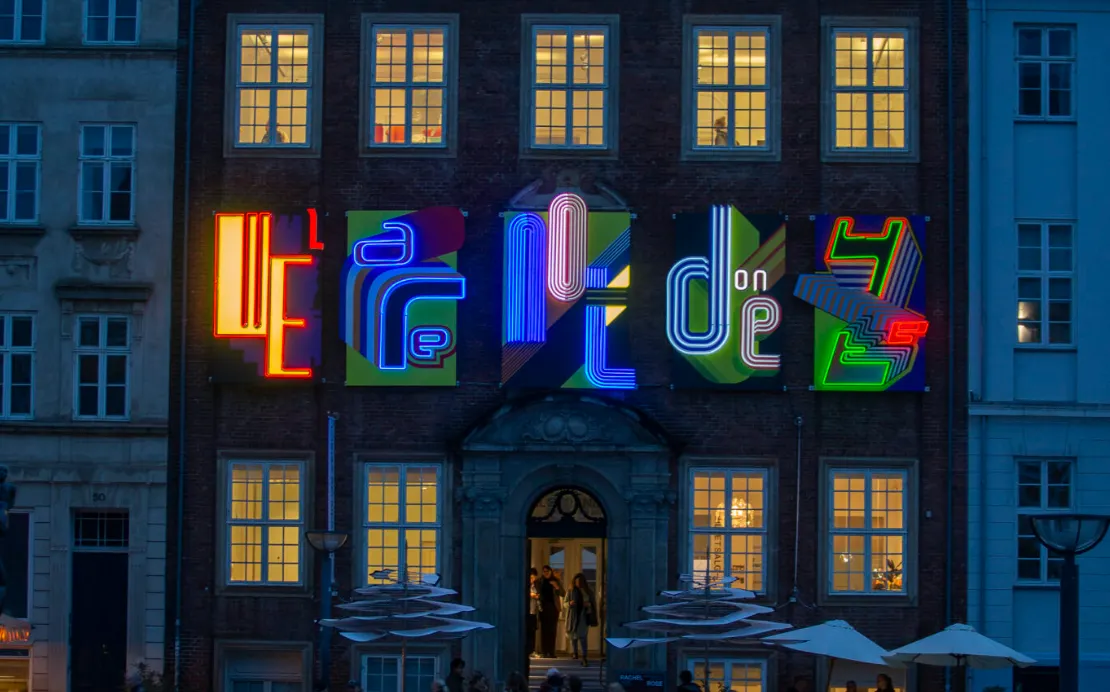
Building a brand for a city is also an extremely long process, one that requires strategic, sustainable stewardship over time. Copenhagen's Culture Night, for example, weaves cultural events into the city's existing landscape, so that historic buildings aren't just passively preserved—they actively generate new memories.
Culture Night is an annual event in Copenhagen at the start of autumn. Venues that are normally closed to the public—the opera house, churches, even the sewers—open their doors that night until midnight. It's also considered the unofficial start of the Danes' autumn break, with people flooding the streets at night to take in talks, tours, and performances, exploring the whole city.
Image source: Martin Gaffron, Kulturnatten — Kulturnatten
🌆 What are the steps in city branding?
How do you build a brand that can encompass an entire city? Making a place economically and culturally appealing through visual identity is far from easy. It has to pull off a set of seemingly contradictory things—being both clear and subtle, both universal and unique, giving residents a sense of belonging while still having global appeal—all while standing the test of time.
▪️ Research and analysis:
This covers the city's history, culture, economic background, and social structure, and also requires understanding the needs and expectations of target audiences—residents, tourists, investors, and other groups—and how each sees the city.
▪️Brand positioning and core values:
Based on the research, a clear brand position is established for the city, defining its core values—the qualities that set it apart, such as cultural heritage, natural landscape, or economic opportunity. These core values need to align with the city's long-term goals and be able to spark an emotional connection.
▪️Brand identity design:
Brand identity design covers creating the city's visual identity (logo, color palette, typography, etc.) as well as its tagline. These elements should follow sound design principles, be able to clearly and concisely express the city's core values, and account for long-term adaptability and diverse use cases, so they communicate effectively across every kind of media and platform.
▪️Communication and promotion:
Once the brand identity design is complete, communicating and promoting the brand becomes essential—advertising, PR activities, and social media outreach both locally and internationally. Promotional strategy should be tailored to different target audiences, ensuring the brand message reaches every kind of group effectively.
▪️Community involvement and collaboration:
Community involvement is a part of the branding process that can't be overlooked. Working together with local residents, businesses, and cultural institutions helps community members feel like they're part of the brand, which strengthens acceptance of and identification with it.
▪️Brand management and ongoing refinement:
Branding isn't a one-time job—ongoing brand management and refinement are essential. A city brand needs to be evaluated regularly to make sure it still effectively reflects how the city is developing and changing. If the brand drifts out of step with the city's reality, it needs to be adjusted or repositioned in time.
💫 Christchurch, New ZealandChristchurch Ōtautahicase study
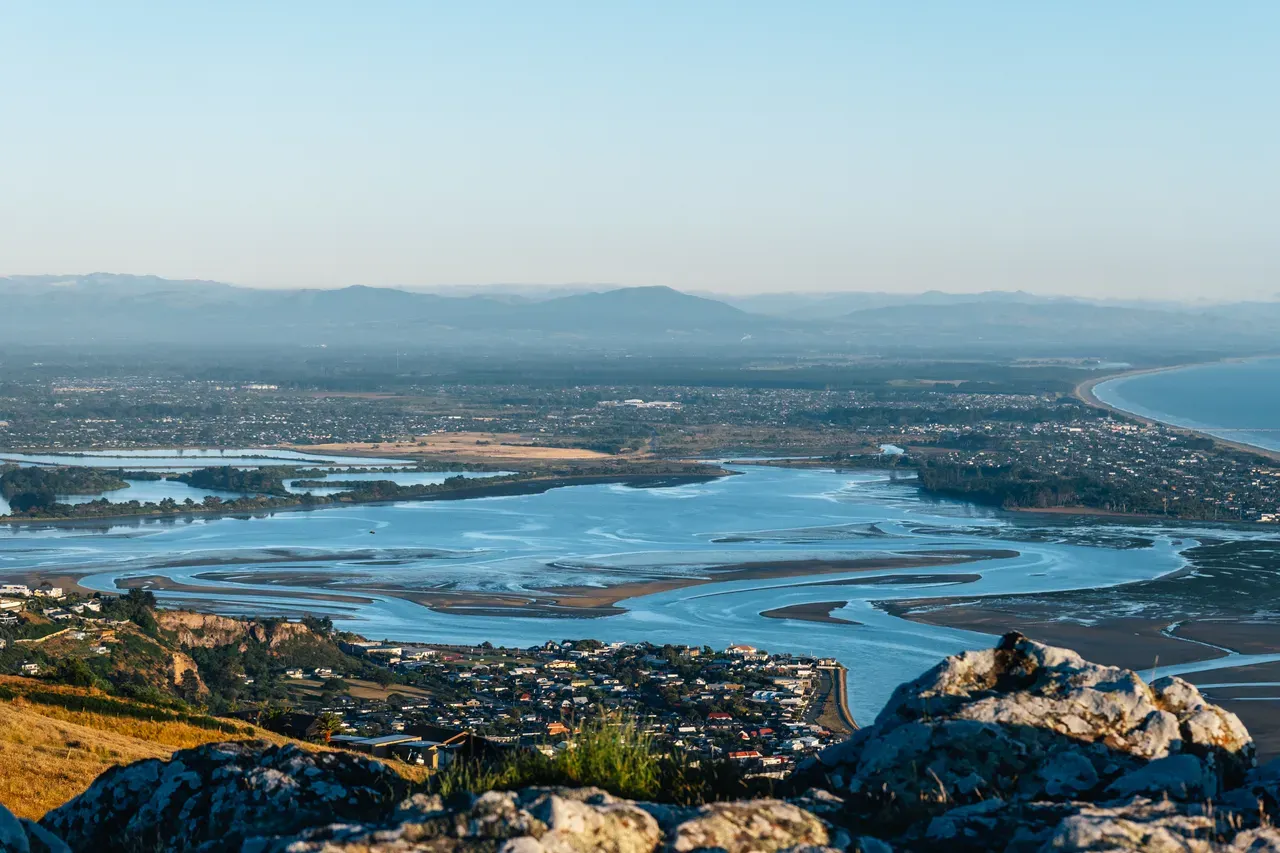
Christchurch, New Zealand launched a new brand identity in 2023. After the 2011 earthquake destroyed much of its infrastructure, the city needed to find a new identity for itself through the rebuilding process.
The rebuilding plan repositioned the city around the Ōtākaro Avon River—in Māori culture, a river (awa) is seen as a powerful, life-sustaining force, and an important channel for communication, trade, and transport.
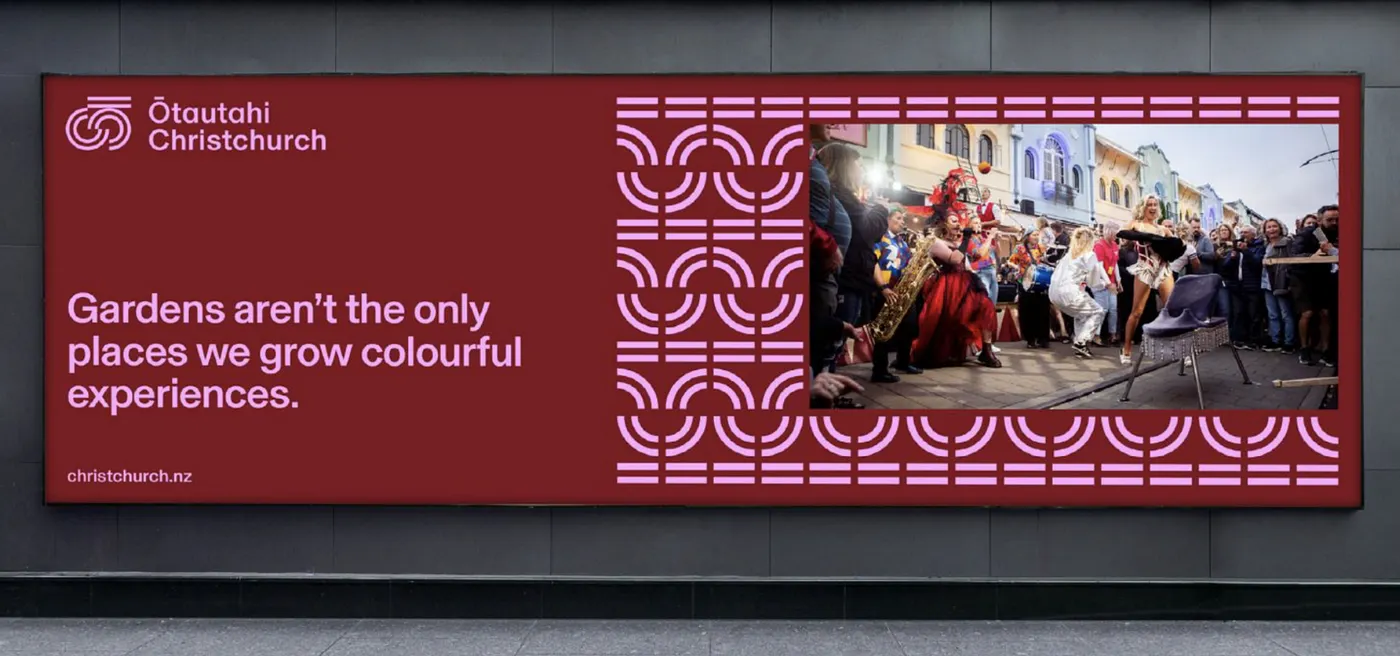
Image source: ChristchurchNZ ToolkitResonance Consultancy worked with the economic development agency ChristchurchNZ, spending a long time digging into the city's "soul" and surveying thousands of businesses, residents, and visitors about their expectations and views of Christchurch. They found that the "Garden City" image (note 1) mattered a great deal, and that people widely saw the city as a great place to balance work and leisure—which led them to the positioning "Christchurch is people's playground."
The city balances old and new, work and play, nature and architecture, Māori and European heritage. The Garden City will always remain part of the city's identity, and this new narrative builds on top of that concept, centered on the core value of Balance—reflecting a more modern city, a place where people seek balance and make time and space for play.
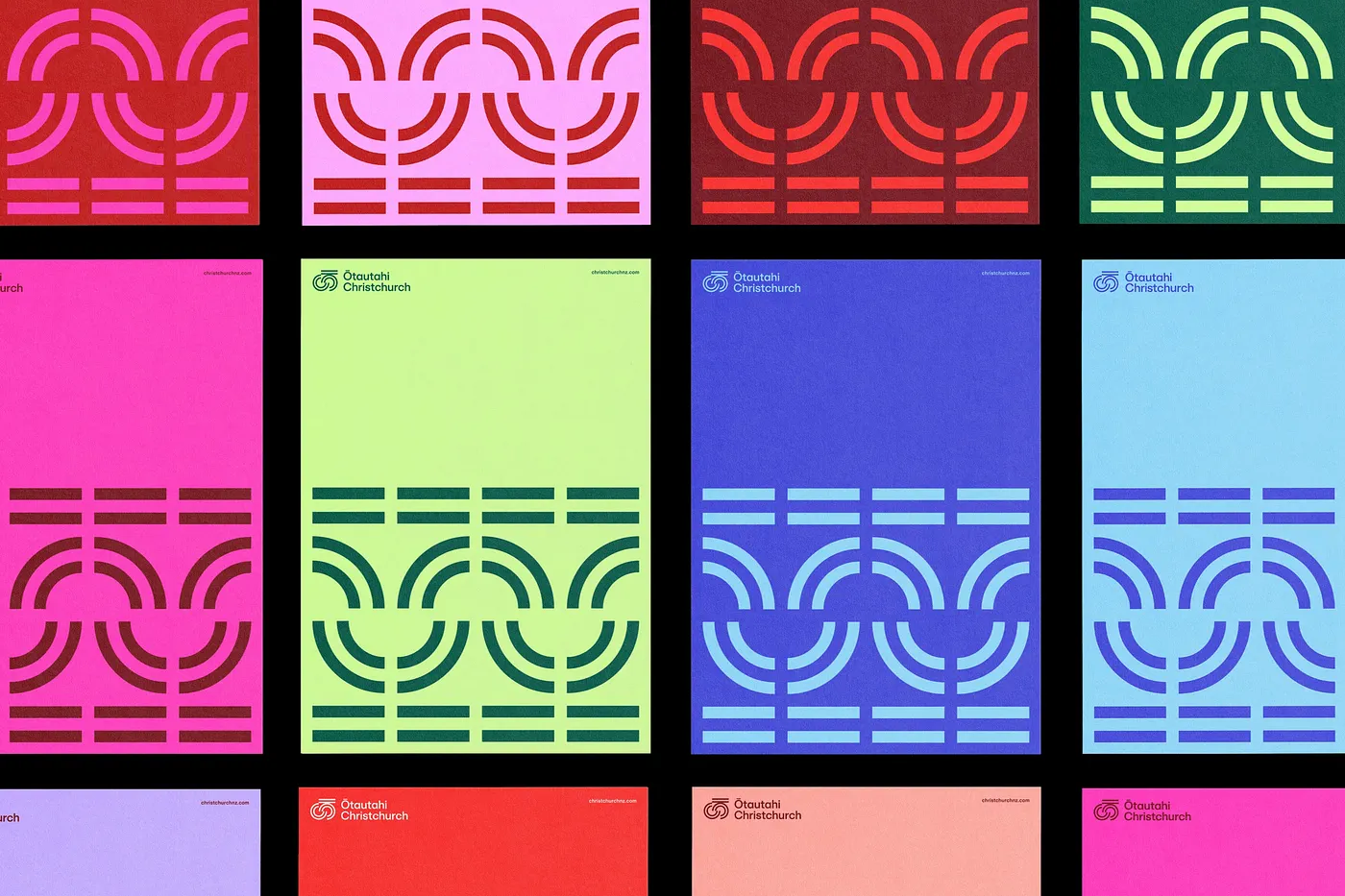
Image source: It's Nice That"When you're creating a symbol for a city that has to earn people's affection, you have to start from something people already love and know well."
Collaborating and seeking input from local communities is essential to city branding. As Resonance Consultancy's Strategy VP Jeremie put it, "your brand story must align with the community's shared values and reflect their reality." Recognizability is another key element of city brand design—it needs to feel familiar, while avoiding obvious clichés like landmarks or historical figures.
The new logo combines the bilingual versions of the city's name—the initials "O" from Ōtautahi and "C" from Christchurch merge together, symbolizing the story of this place. Its double lines pay tribute to the "haehae" technique in whakairo (Māori carving), and also symbolize the two banks of the Avon River facing each other, echoing the city's own duality: a city in pursuit of balance, a playground, and a place carrying both Māori and European heritage. For residents, these marks aren't just symbols—they're a call to action.
Image source: Resonance Consultancy official website
In summary
Based on past experience, rebranding is always a massive undertaking for any organization. Internally, it means interviewing stakeholders at every level of the organization; externally, you can't afford to overlook how existing customers feel about and expect from the brand. Building a brand for a city means weighing even more factors—different communities, different age groups, even different points in time. Given how difficult this is, why even attempt it?
City branding is undeniably important for economic and cultural appeal. Beyond building a shared sense of identity among residents, it can help a city stand out on the global stage, driving local economic development and boosting international recognition. So what makes a city identity actually successful?
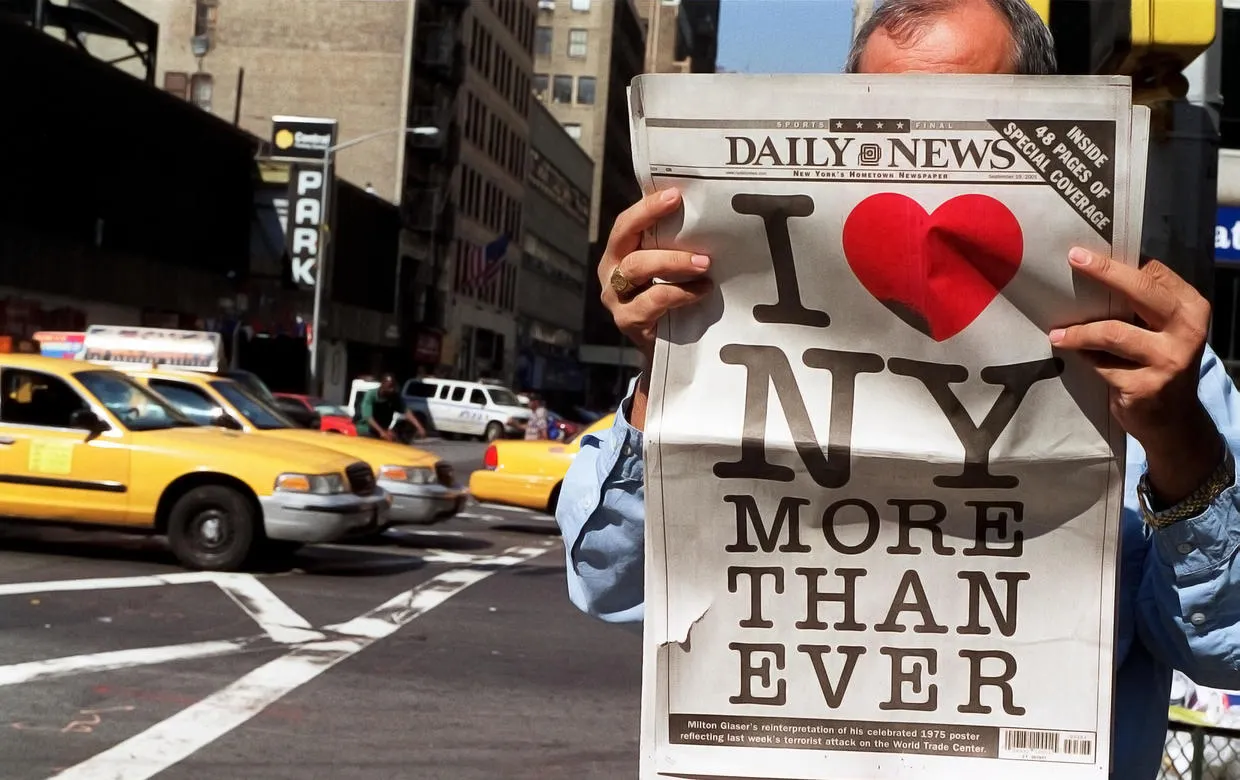
Take New York City's famous "I ❤ NY," found all over the gift shops in Times Square—it's become a globally recognized symbol and has successfully drawn in millions of tourists and investors. That kind of brand power shows up directly in sales figures, and it has also built a long-term foundation of financial stability for the city.
Image source: Viviane Moos/Corbis via Getty ImagesFrom a cultural standpoint, city branding helps highlight and spread a city's unique cultural heritage, strengthening residents' sense of identity. Through branding, a city can tell its own story, helping outsiders better understand and appreciate it—like Christchurch's "Garden City" or Paris's "City of Romance." City branding isn't just a visual symbol—when the strategy is used well, it can drive economic growth while also reinforcing a city's cultural standing. What do you think?
Note 1: Christchurch earned its reputation as the "Garden City" thanks to its many parks and private gardens, along with the trees planted in nearly every household.